Five times a year, as a member of Multiple Exposures Gallery (MEG), I have the opportunity—and occasional headache—of submitting images to a juror for consideration for an upcoming exhibition. Our jurors may be museum directors, curators, gallerists, or artists, but they all share a keen eye and an appreciation for fine art photography.
For each exhibition, the juror reviews roughly 60–65 photographs and selects 20–27 to create the show. Most exhibitions have a theme, such as UNSETTLED or MONOCHROME. and the juror’s job is to turn those individual images into a cohesive and compelling exhibition.
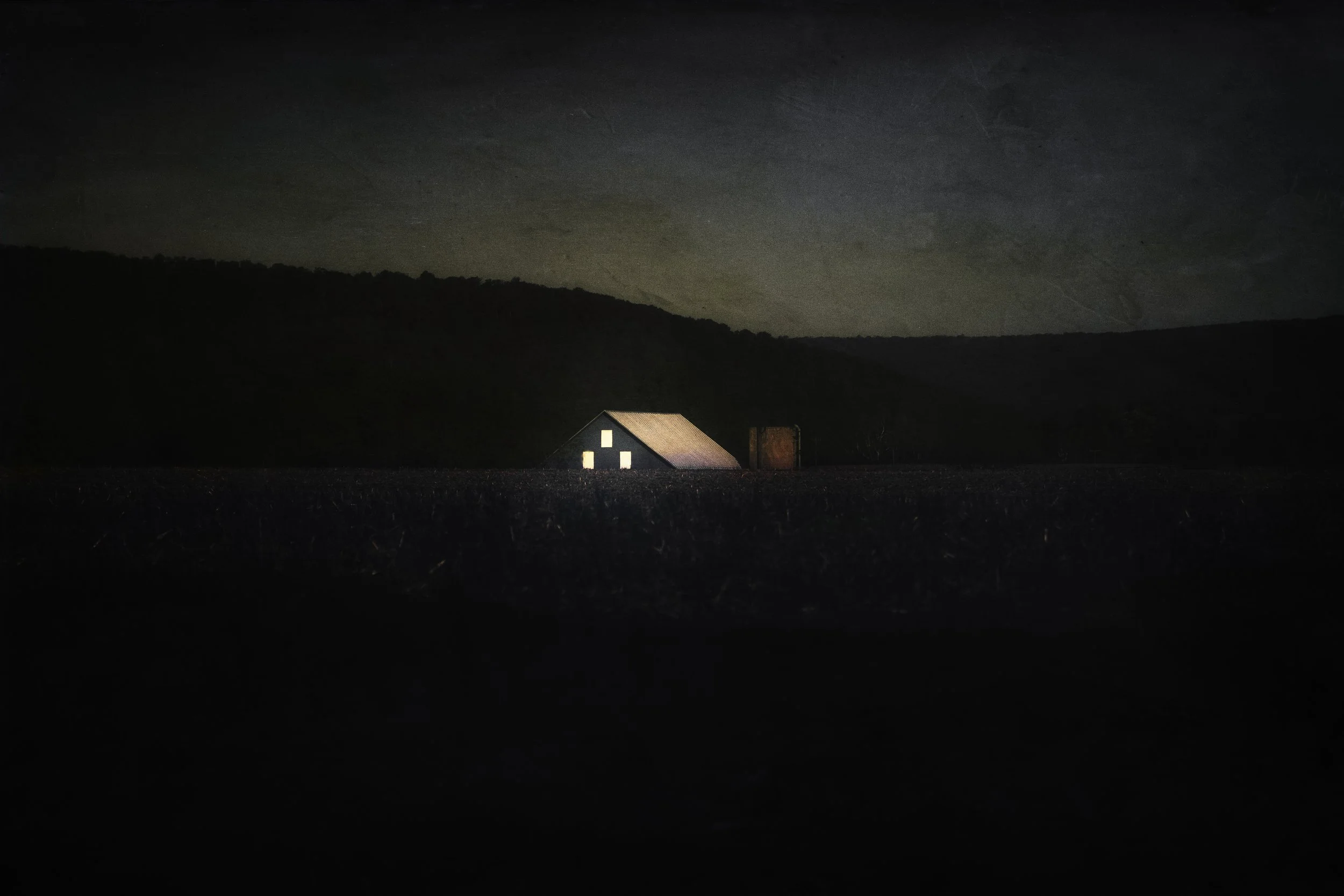
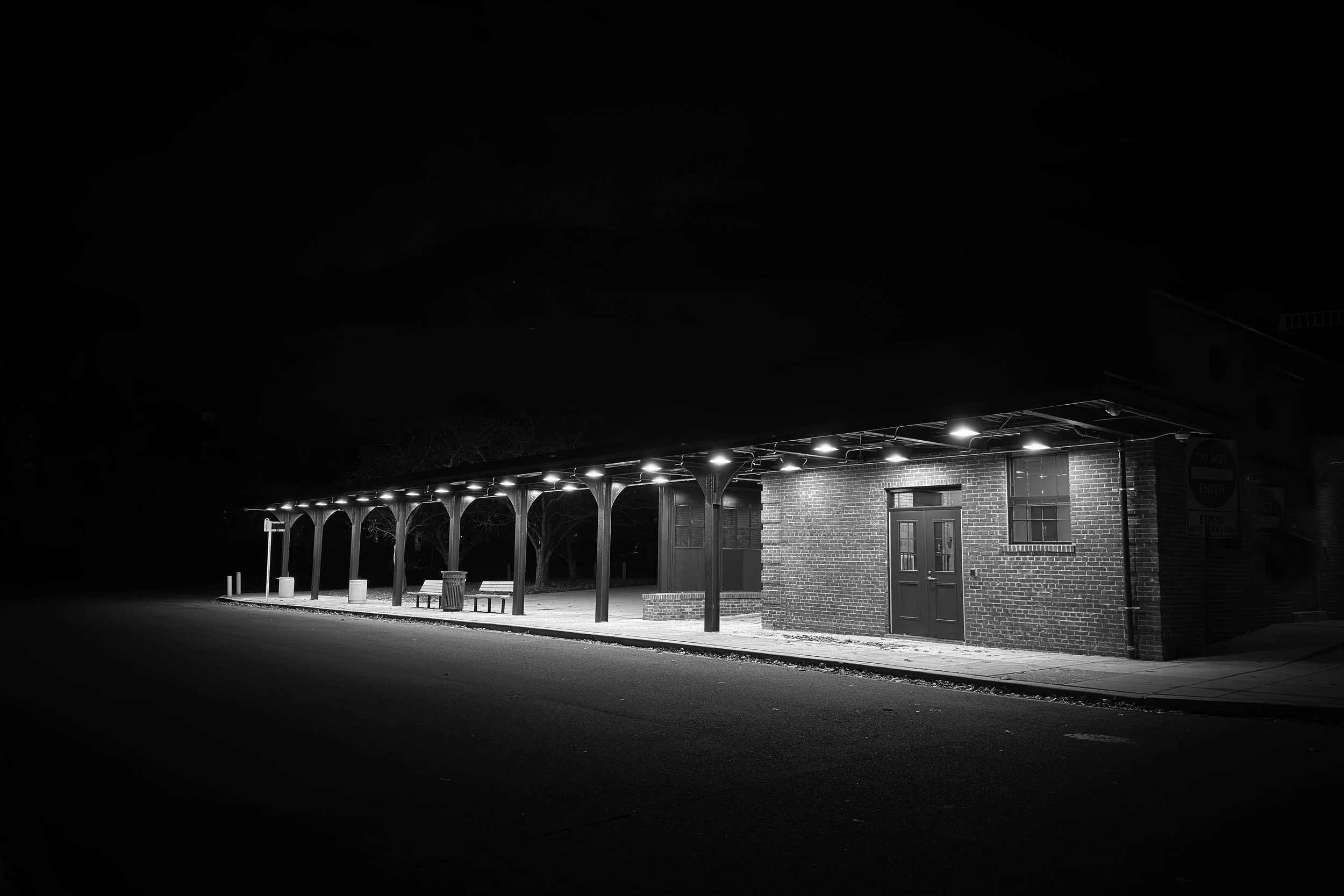
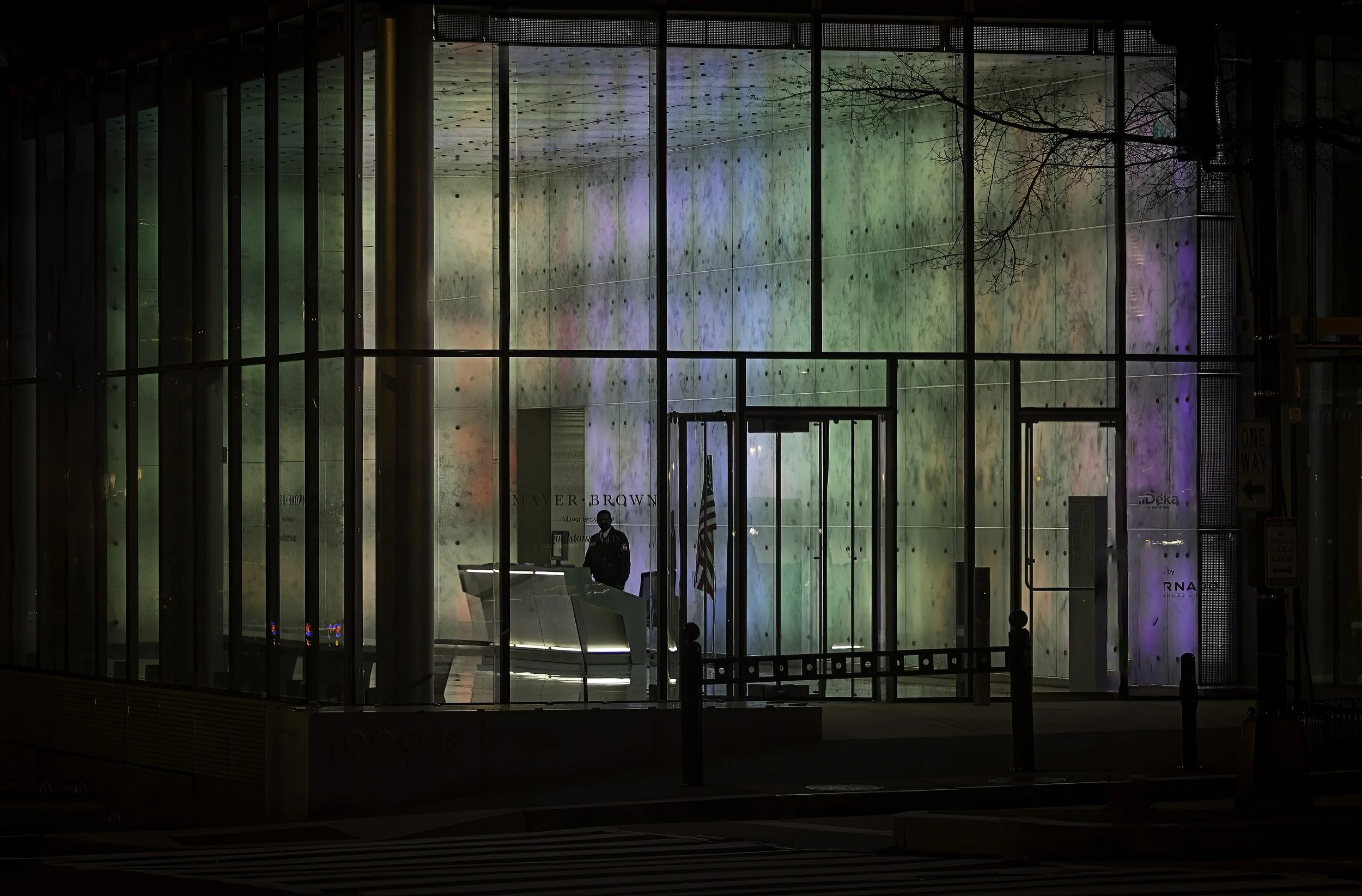
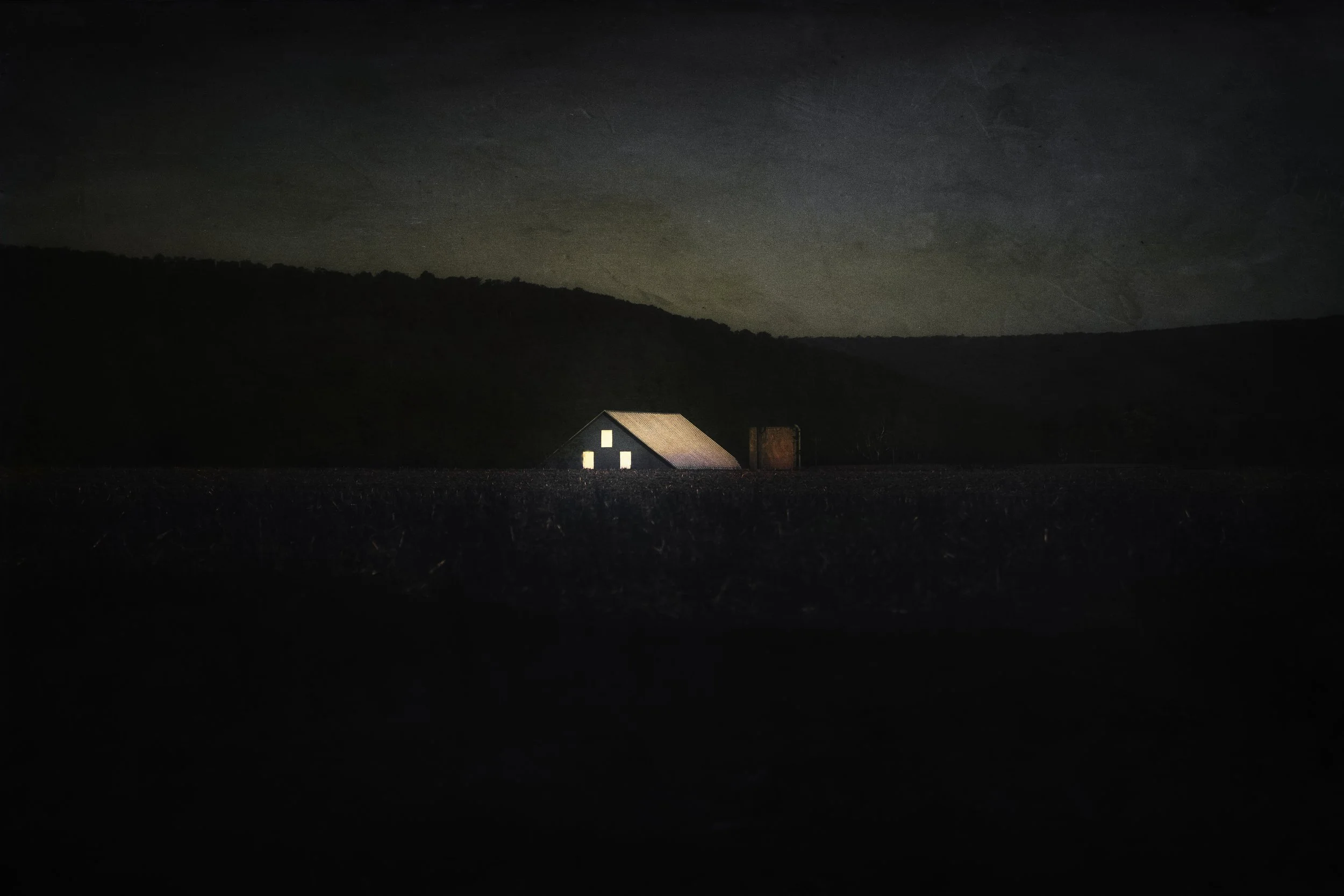
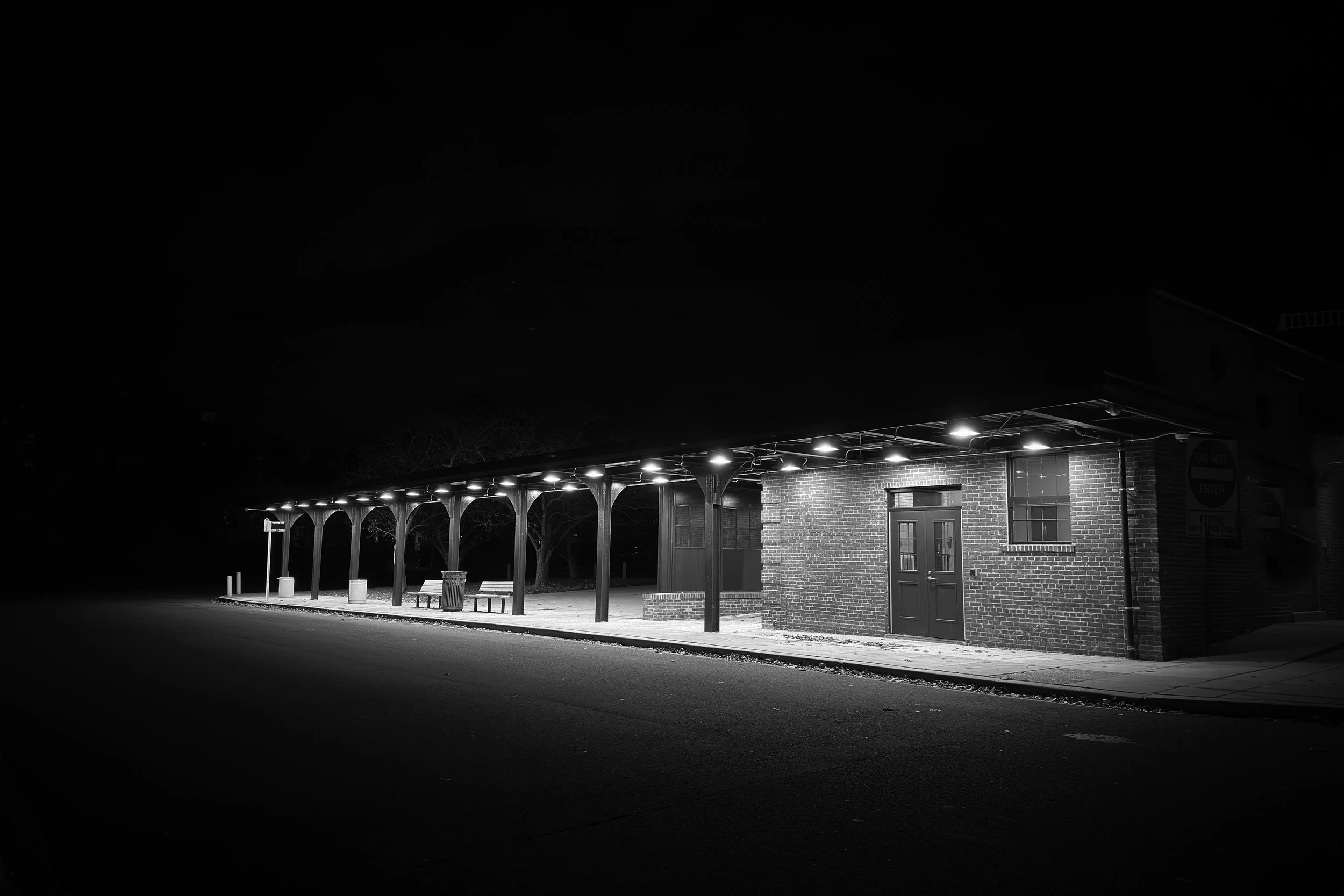
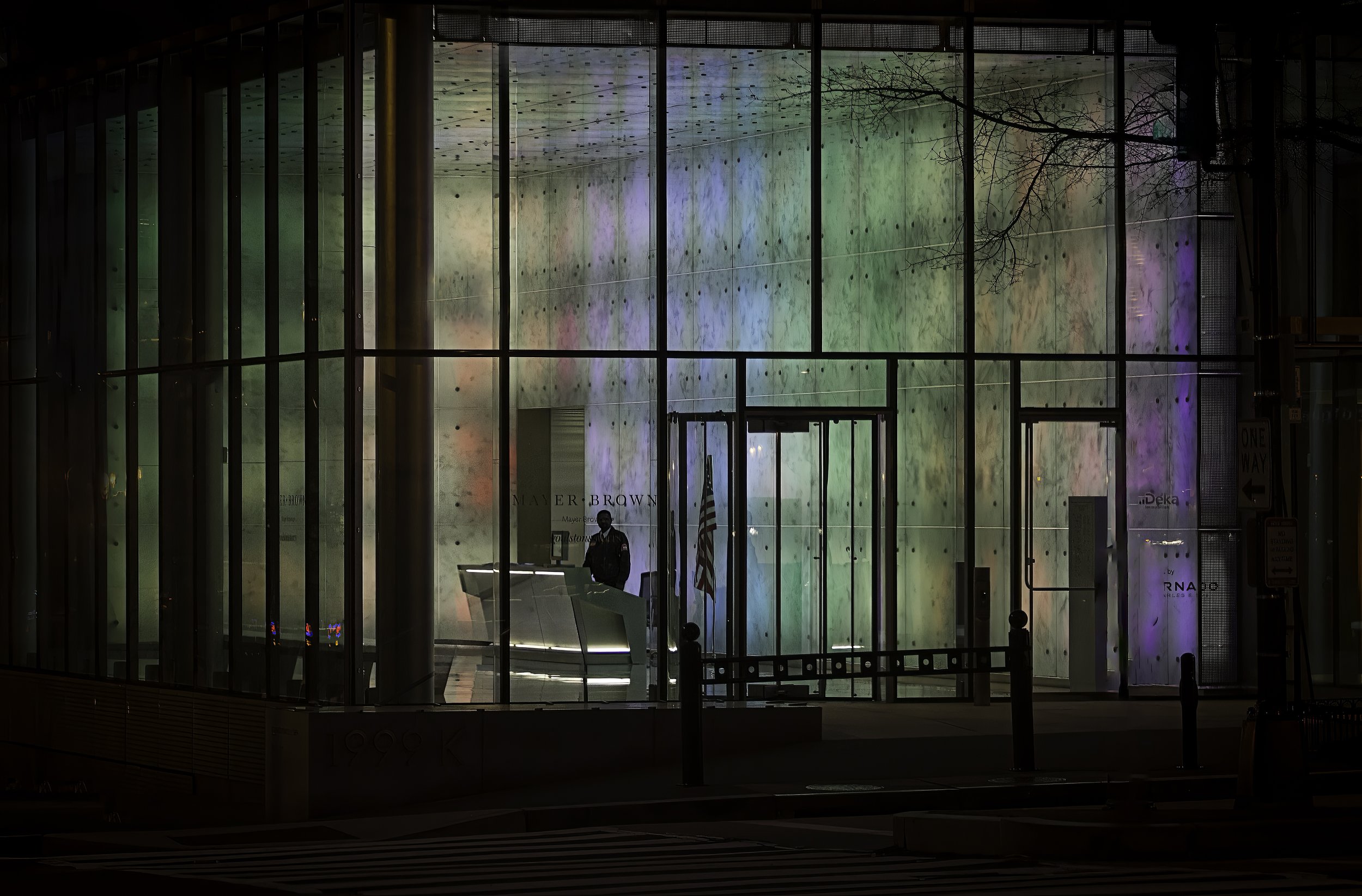
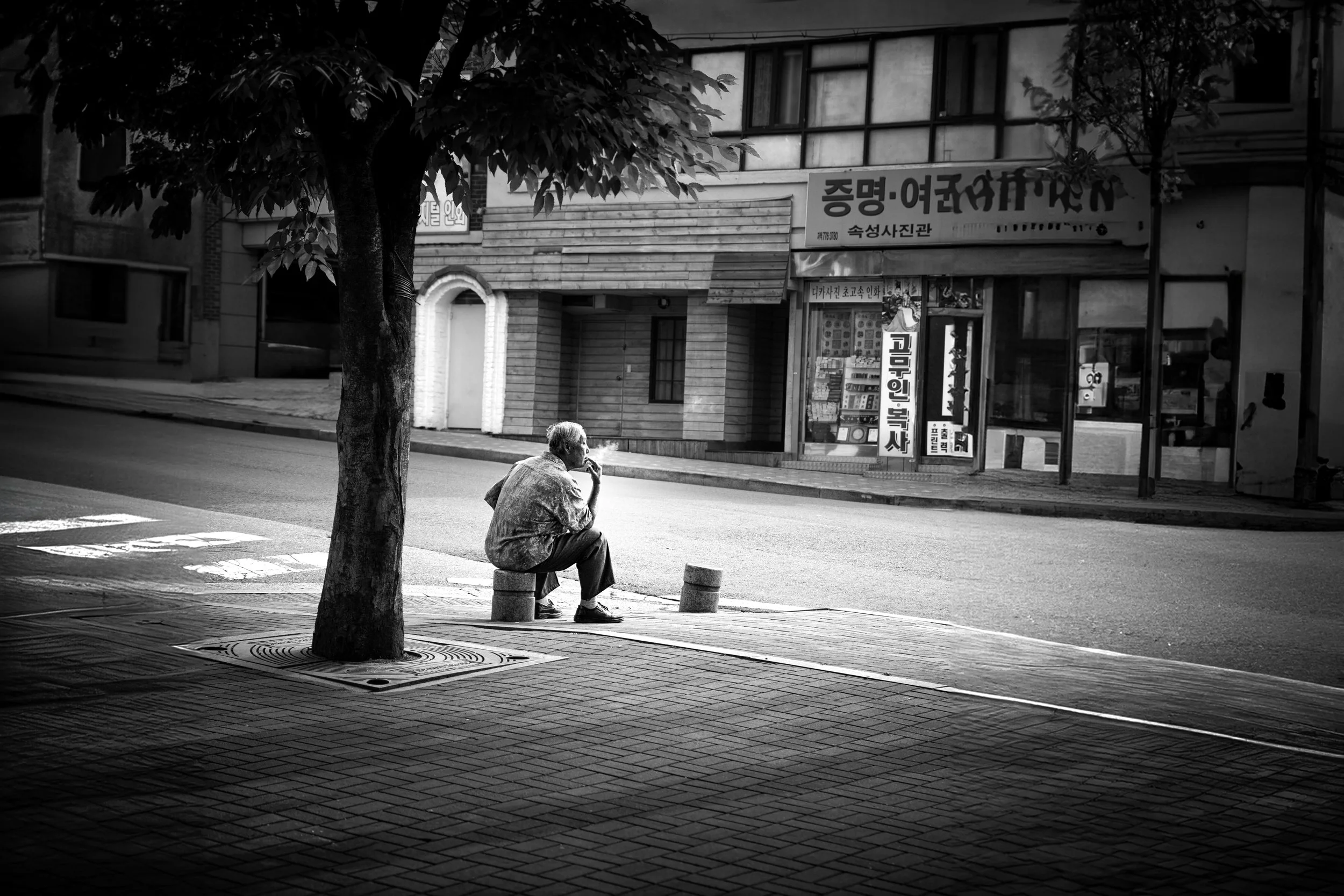
Which brings me to my current dilemma. In September, we’ll submit images to Denise Froelich, director of the Maine Museum for Photographic Art, for our December exhibition, AFTER HOURS. Denise will be looking for photographs in which the nighttime hour reads as atmosphere rather than setting, and where darkness itself becomes an expressive presence.
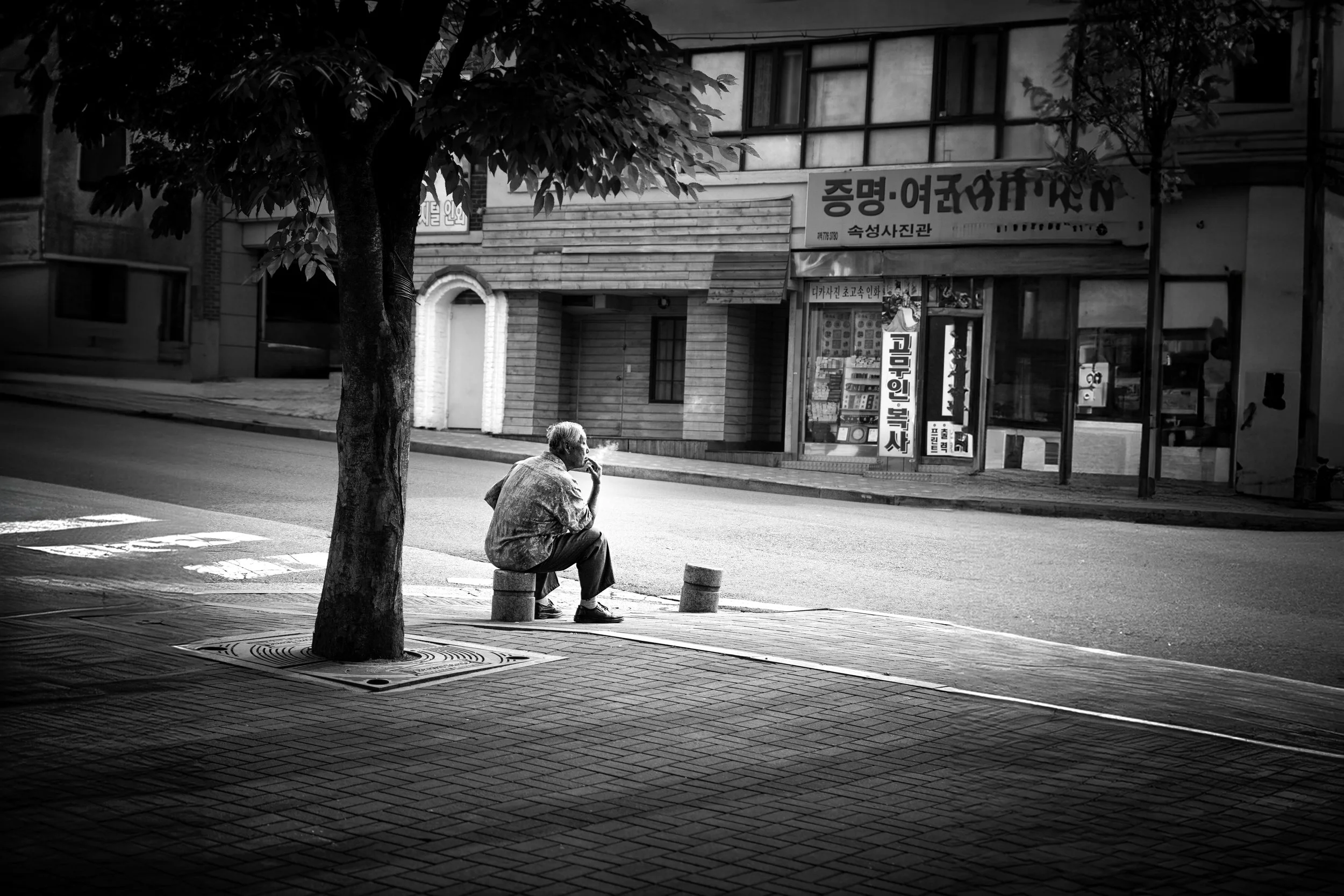
For someone who rarely photographs at night, that’s a tall order. Do I have five suitable images hiding in my existing catalog? Should I spend the next month prowling around after dark with my camera? And does “after hours” necessarily mean nighttime, or could it refer to the end of a work shift, or a moment outside an activity’s usual window?
Ultimately, I have no idea how Denise will interpret the theme. And that’s one of the first lessons I’ve learned about submitting to juried exhibitions: you don’t know what the juror is looking for until you see what they choose.
I learned that the hard way about a decade ago when I submitted to a national exhibition at MEG juried by photographer Sam Abell. I was relatively new to exhibiting and submitted five minimalist landscapes. I didn’t get in. When the selections were announced, it became immediately clear why. The exhibition revolved around people, either directly or through a sense of human presence. My photographs, on the other hand, had intentionally left humanity behind. It was a terrific exhibition. My work simply didn’t fit with the direction the juror took.
That experience taught me another important lesson: when selecting your submissions, give the juror choices.
As artists, we naturally tend to think in sequences. If we like one photograph, we’re inclined to submit four others that feel related. It makes sense to us to create a cohesive grouping. But one juror offered up a dose of reality: “If I don’t like the first image in your sequence and your next four share similarities, I’m not going to like them either. You’re much better off giving me choices.”
So, rather than submitting five variations on one idea, I try to submit a cross-section of work that could potentially fit the theme. It may not feel as tidy to me, but it gives the juror more to work with.
And I’ve stopped trying to reverse-engineer what a juror might choose based on exhibitions they’ve curated or photographs they make themselves. If only it were that easy! A juror may have particular aesthetic preferences, but selections also depend on composition, technical execution, artistic expression, emotional impact, and—perhaps most importantly—how an image works with the others to create a successful exhibition.
The final lesson is probably the most important: an image being rejected by a juror doesn’t mean it isn’t good. I’ve seen photographs rejected from one exhibition go on to win Best in Show in another.
One fine art photographer I admire summed the submission process up beautifully: “I go into it knowing I am not for some people, and some people are not for me.”
That’s probably a pretty good philosophy for juried exhibitions—and maybe for life in general.
Want to know what made the cut?
After Hours, juried by Denise Froelich, opens November 27, 2026 and runs through January 3, 2027 at Multiple Exposures Gallery. Mark your calendars for a gallery visit to see which images made it into the show!