Danny Conant / E. E. McCollum Exhibit Opens

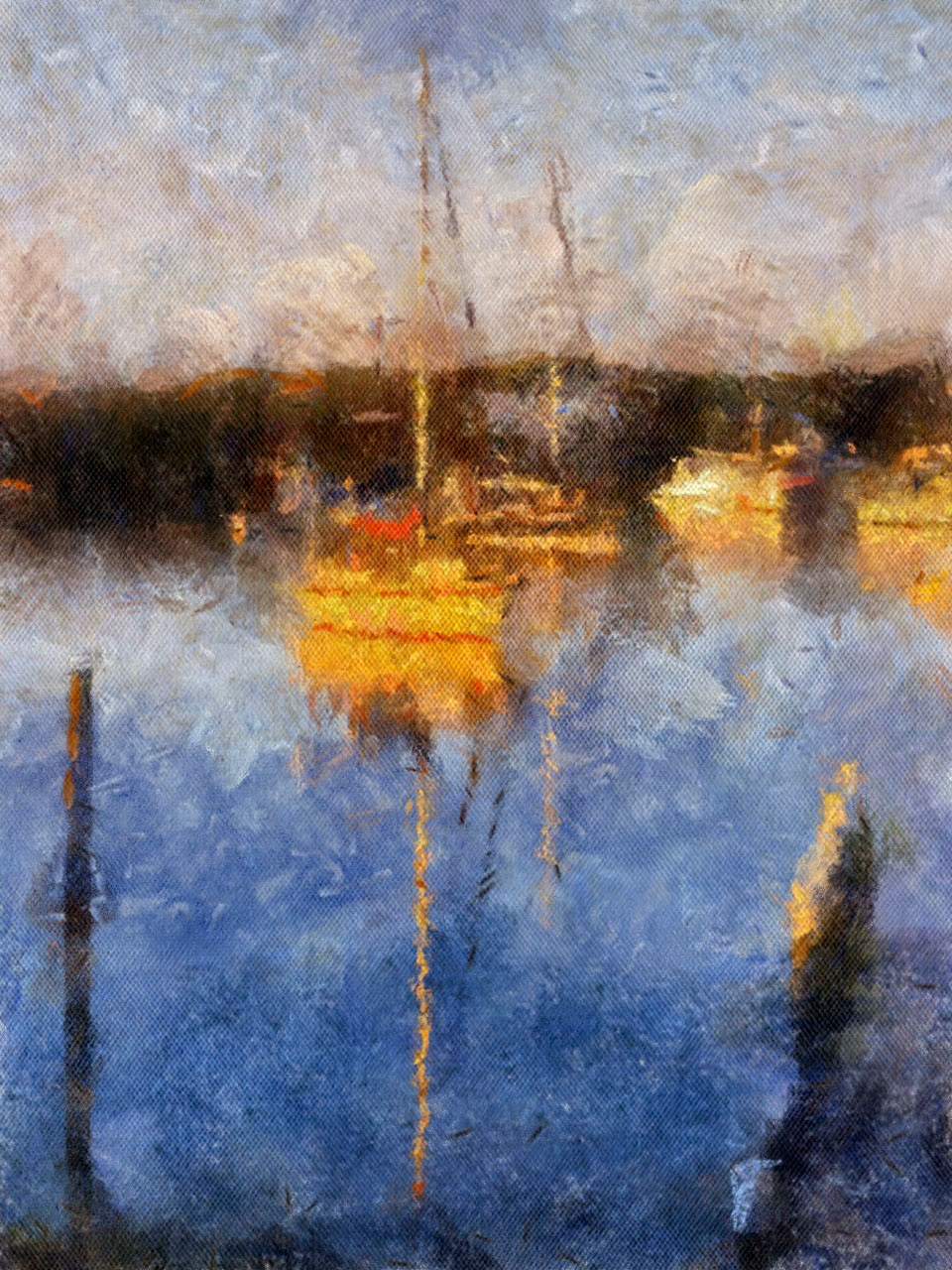
Multiple Exposures Gallery is pleased to announce the opening of an exhibit of new work by Danny Conant and E. E. McCollum. French Impressions  by Danny Conant and The Shadow Series by E. E. McCollum will be on display in the gallery from September 2 through October 12, 2014. Please come and join the artists for a reception on Sunday, September 7 from 2-4pm.


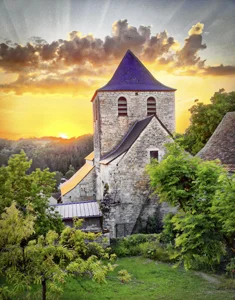
French Impressions Danny Conant

© Danny Conant

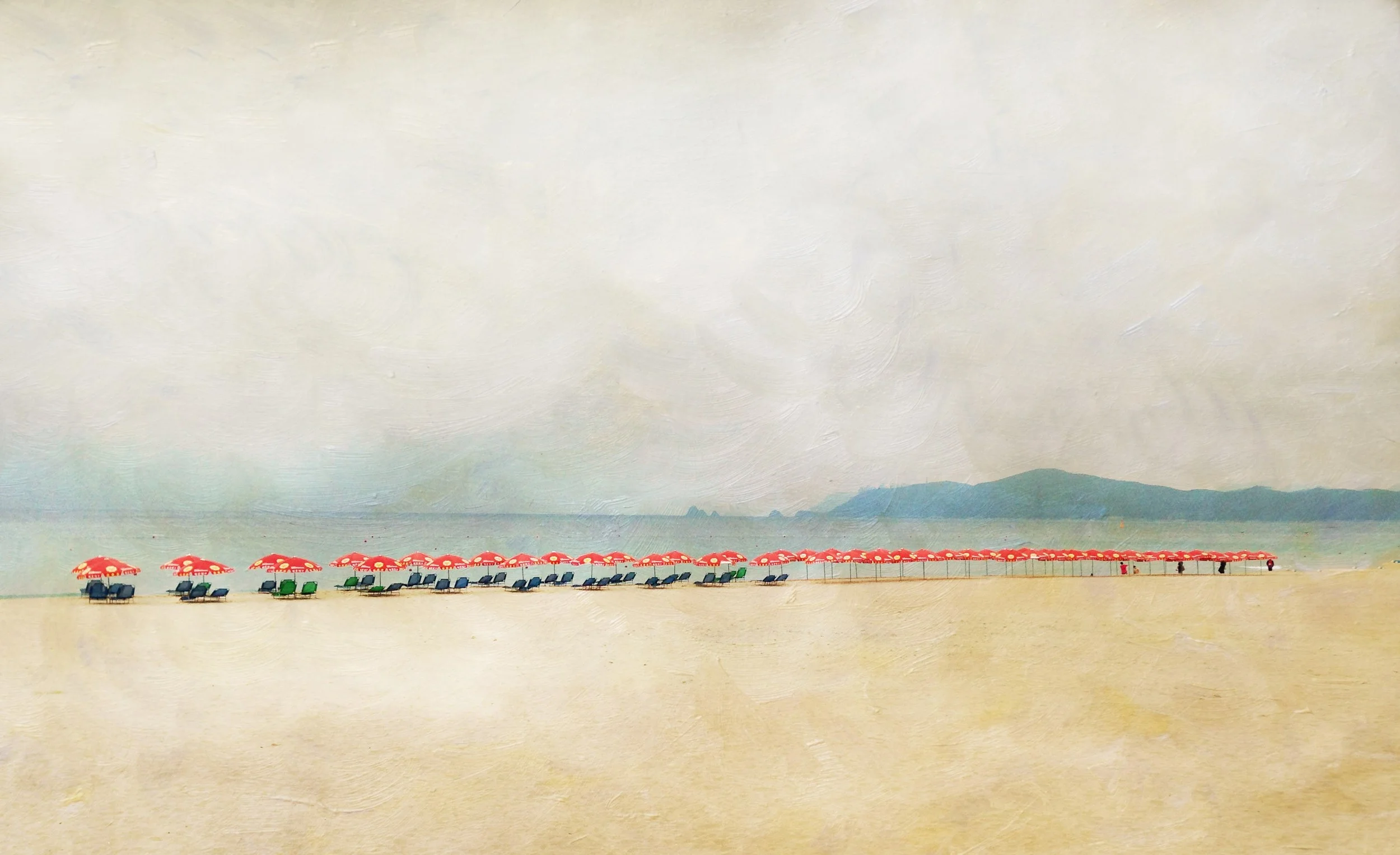
© Danny Conant

Although I love to photograph, I don’t take a lot of pictures. Maybe it’s the hunt or search for me.  I wander and look and if the scene won’t let me go I’ll bring that one back to think about later. Sometimes I use my iphone and then I can alter reality as I see it.

The title “French Impressions” came from an exhibition I recently saw at the Musee D’Orsay in Paris.  My French impressions came from Paris and the Dordogne area.  I found parts of scenes, a remembrance of something that has gone before or an embellishment of a pleasant experience.  There is a glimpse of someone who reminds me of a dear friend gone.  The Eiffel Tower embellished because it took me four trips to Paris to get the nerve to ride to the top.  Three chairs said it’s time to just sit and think.

The wall pieces are prints from my camera and from my iphone. Most images are manipulated in the camera or from computer programs and printed on Epson watercolor paper with archival inks.  Next I added a bit of pastel to the image and then glued it to a wooden panel.  Several coats of encaustic medium were added to finish it.  Encaustic medium is a combination of beeswax and resin. I love working with the wax. I like to touch it, smell it and know that it is an excellent protection of the printed photograph.


The Shadow Series - E. E. McCollum
© E. E. McCollum

© E. E. McCollum

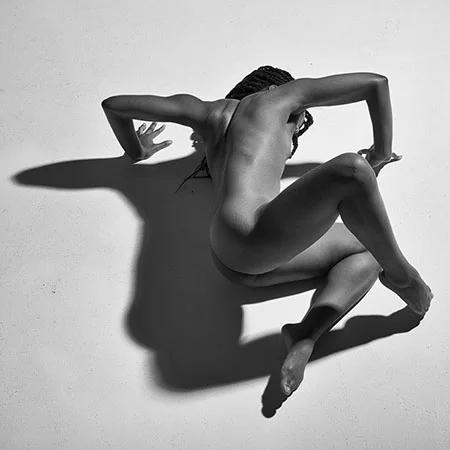
For me, shooting the nude figure in the studio is like playing in a small jazz ensemble.  Just as a jazz quartet makes music from the voices of the instruments and the passage of time, the studio gives us space, light and the body with which to make images.  Obviously, other elements can be added, but in this project, I wanted to keep it simple, to play with the basic elements – a jazz trio instead of a big band. 

How do you combine the available elements?  Space: I shot the models from the top of a tall ladder.  This perspective obscures orientation . . . is the figure flying, floating, or pinned to the wall? And we see the body in ways we aren’t used to seeing it, foreshortened, dimensional one moment, and planar the next.   Light: I used a strobe with a bare bulb for this series, a harsh and, some might say, unforgiving light.  Of course, this gives us the distinct shadows of the series title but it also gives us the texture of the models’ skin and the rough surface of the studio floor both with all their flaws.  And the body:  Nude, the body becomes the medium for a range of expression . . . isolation, repose, exuberance, connection.  I asked the models to play with the notions of shadow and form as we worked and we quickly found that the shadows that emerged naturally from the light and the pose were much more interesting than any shadows we tried intentionally to create.

I have found working with these simple elements endlessly fascinating as I have made the images you see.  The studio is a magical place even when stripped to its basic elements.  But then, I was always a Dave Brubeck fan . . . 
Tim Hyde featured in Adore Chroma Magazine

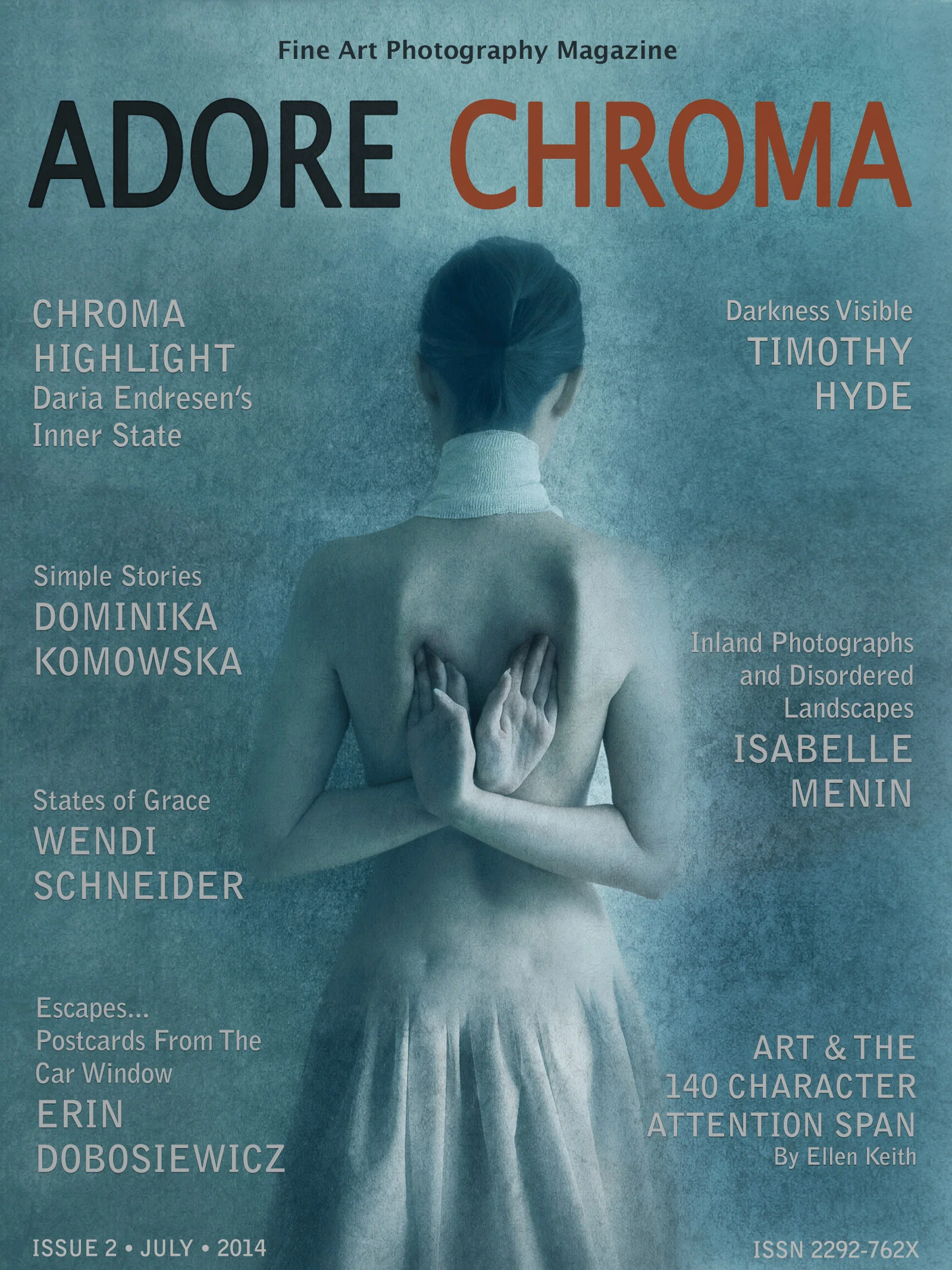
The work of MEG photographer Tim Hyde is featured in the July issue of the online fine art photography magazine Adore Chroma. Included are some images from his recent show, Darkness Visible, as well as newer images. 

You can find Adore Chroma here.

From the editor's notes: 

Timothy Hyde photographs the light from the dark, his feature, Darkness Visible, makes me feel like I am that child again, glimpsing other lives lived from the backseat.  Hyde says that “blackness…is where our fear and obsessions reside and we are closer to these fears and obsessions at night.”  Was I looking for a way out of my fear?  Maybe.  I’m not sure I’m ready to turn that far inwards.


E. E. McCollum on Southern Poetry Review

MEG member E. E. McCollum's photograph Cocoon Series #115 was featured on the cover of the current issue of Southern Poetry Review.  SPR is the second oldest poetry journal in the South and publishes writers from all over the world.  It has an international readership.  Images from McCollum's Cocoon Series were shown in a solo show at the Alexandria Art League earlier in the year.  See more images on his website:  www.eemccollum.com

©E. E. McCollum

©E. E. McCollum


Currently on Exhibit: "Dog Days of Summer"

Multiple Exposures Gallery at the Torpedo Factory Art Center in Alexandria, VA announces an upcoming fine art photography exhibition. The theme, “Dog Days of Summer” focuses on the hot, languid, summer season. The exhibition opens on Tuesday August 5th and runs through Sunday August 31st. It is free and open to the public.

The show is juried by Kathleen Ewing, owner of Kathleen Ewing Gallery. In 2009 the gallery was relocated to her home in Cleveland Park after being an integral part of the thriving art district of Dupont Circle for over two decades. Kathleen was a founding member, and served as Executive Director of the Association of International Photography Art Dealers [AIPAD] from 1991 to 2007. Under her leadership, AIPAD’s annual fine art photography trade show grew to include over 80 exhibitors with attendance in excess of 8000 visitors.

EXHIBIT DATES:  August 5 – 31, 2014  Daily 11am-5pm, except Thursdays 2pm-8pm

©Maureen Minehan

©Maureen Minehan

Photoworks Receives Award

MEG photographer Karen Keating, in her role as Director of Photoworks at Glen Echo, is proud to announce that on Saturday evening, May 17, at Glen Echo Park Partnership for Arts & Culture’s annual Gala, “Capture the Moment”, Photoworks received the “Organizational Achievement” Award for 2014.  Photoworks was selected for this annual award by the GEPPAC board.

Sam Abell, National Geographic photographer, presented the award Saturday evening.

Here is a little background on Karen and Photoworks:

Photoworks was established 40 years ago by “four young photographers…with little more than a shared passion for the daily work of seeing, shooting, and printing images of lasting beauty and artistic integrity.”  Currently directed by photographer and teacher Karen Keating, Photoworks offers a diverse combination of educational programs, gallery exhibitions, and community initiatives.  With an outstanding faculty and an intimate learning environment that encourages creative dialogue, Photoworks is a resource for both amateur and professional photographers.

Through Ms. Keating’s leadership, dedication, and vision, Photoworks has evolved into a remarkable institution.  She is an integral member of the Washington, DC photography community as an outstanding arts educator, administrator, and fine art photographer.  Ms. Keating first came to Photoworks at Glen Echo Park as a student in 1977, and she has been teaching courses there since 1984.  She became director of Photoworks in 1986 and continues to lead the organization as it celebrates its 40th anniversary.  She shares her passion for fine art photography by teaching beginning, intermediate, and advanced courses for adults and youth.  In addition to her commitments at Photoworks, Ms. Keating has been a full-time photography teacher at The Field School, an independent high school in Washington, DC, since 1990.


Living Yesterday Today

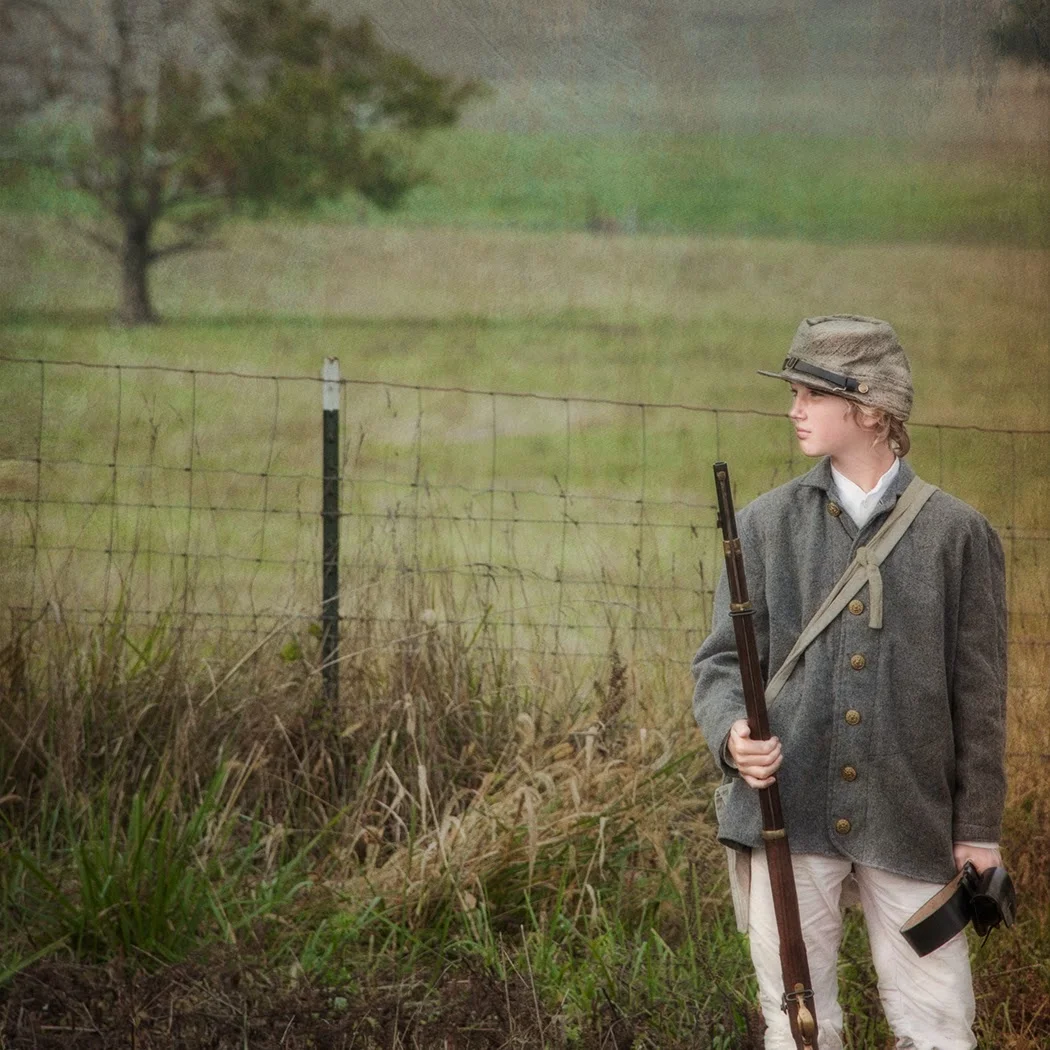
Boy Soldier    (c) Sandy LeBrun-Evans

Boy Soldier    (c) Sandy LeBrun-Evans

MEG member Sandy LeBrun-Evans is building LIVING YESTERDAY TODAY, a new portfolio filled with images of Civil War re-enactors. Below she shares why finds re-enactors and the battles they fight to be such interesting subjects. 

I became hooked on photographing civil war re-enactors completely by accident. Driving home one evening, I noticed a sign on Interstate 95 that indicated a re-enactment would take place the next day. I thought, “Why not check it out!"
 

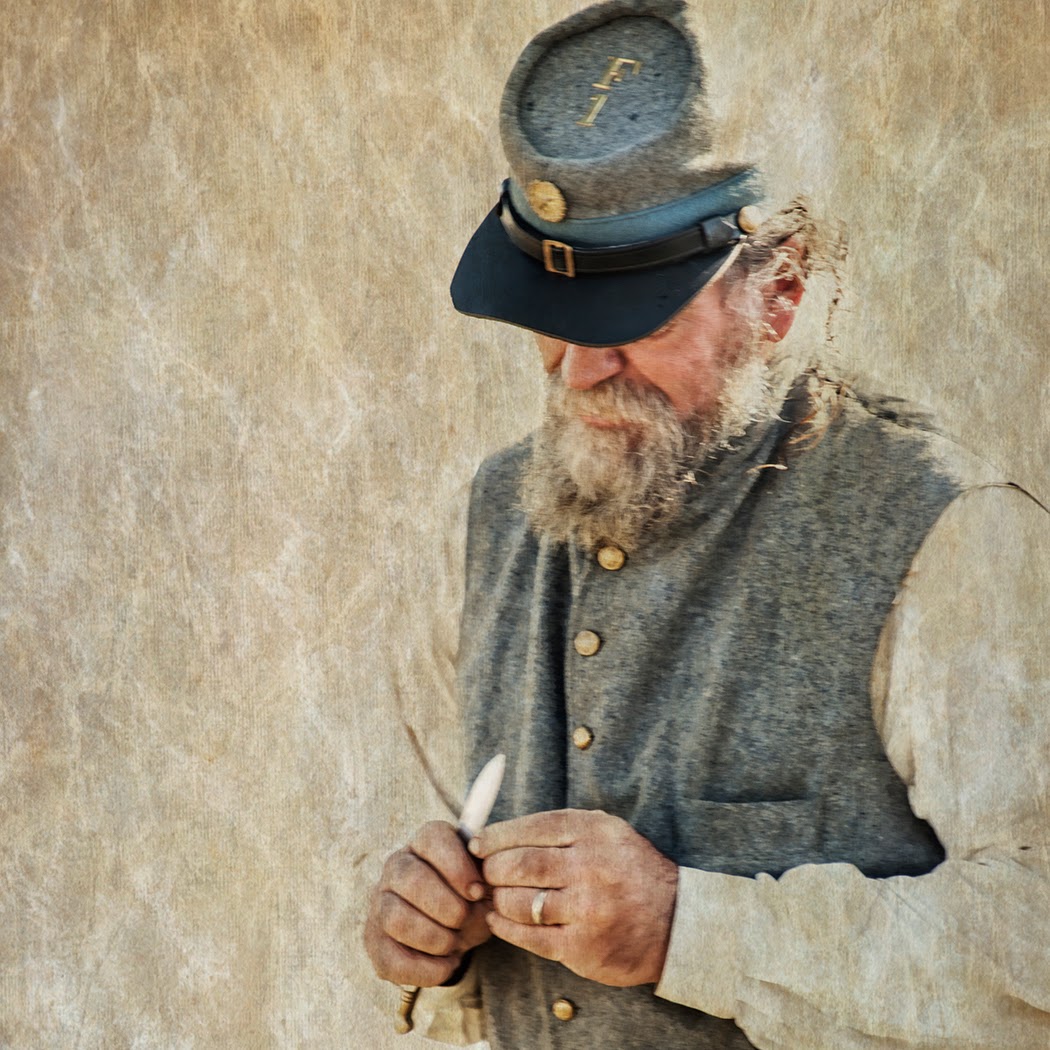
Readying For Battle    (c) Sandy LeBrun-Evans

Readying For Battle    (c) Sandy LeBrun-Evans

I was amazed and hooked from my very first visit. Re-enactments include both battles and the re-enactors living, eating, playing as they did during the Civil War period. As I wandered around the camps of the Northern and Southern armies, everywhere I turned there was a vignette of the past.

In 2013, the 150th anniversary of some very important battles was commemorated, and a number of battles were re-created, including Antietam/Sharpsburg (the name of battle depended on which side of the war you were on), Chancellorsville, Fredericksburg and Gettysburg. Each re-enactment provides both a field full of action and a history lesson. 


Interestingly, during many of the battles, just as they did 150 years ago, ladies sit uphill, taking in the scene while garbed in period dress -- all the way down to their underwear!  The attention to detail is incredible in everything the soldiers, women and children wear and do. 
What draws my attention and my camera the most are the early mornings when everyone is preparing for what's to come and the evenings after the battle. Throughout the camps, they cook, camp, drill and play as if they are truly LIVING YESTERDAY TODAY.

I am just starting to work with my images. The most difficult part of the process is trying to make my images look as if they were taken 150 years ago, especially since I am presenting them in color. One solution has been to mute the color and add textures.


At every battle I witness, I learn something new, meet wonderful people and see photographs everywhere I turn. I look forward to adding to this portfolio and sharing my work with others. 

War Widow          (c) Sandy LeBrun-Evans

War Widow          (c) Sandy LeBrun-Evans

The View From The Street: Q&A With Fred Zafran

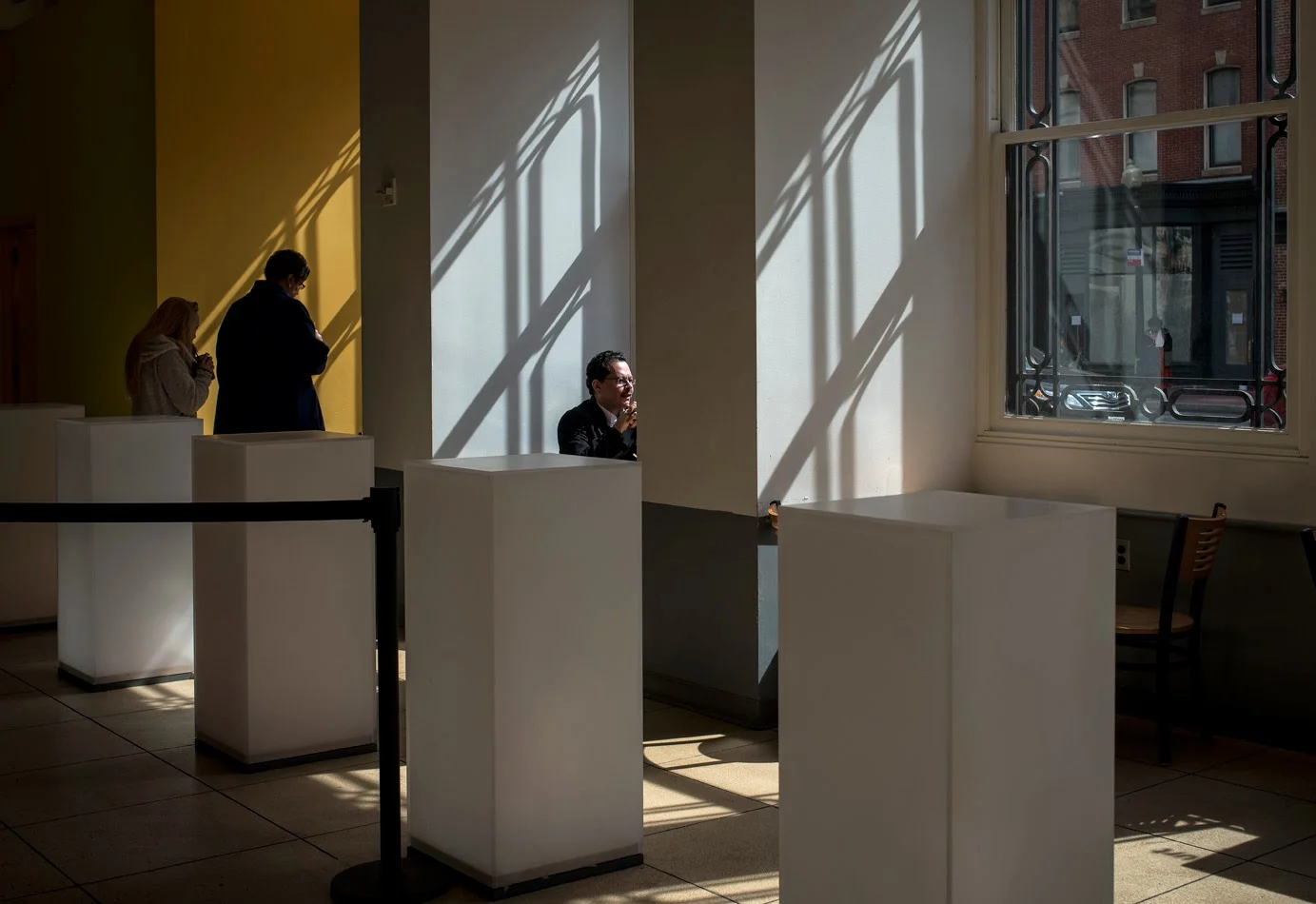
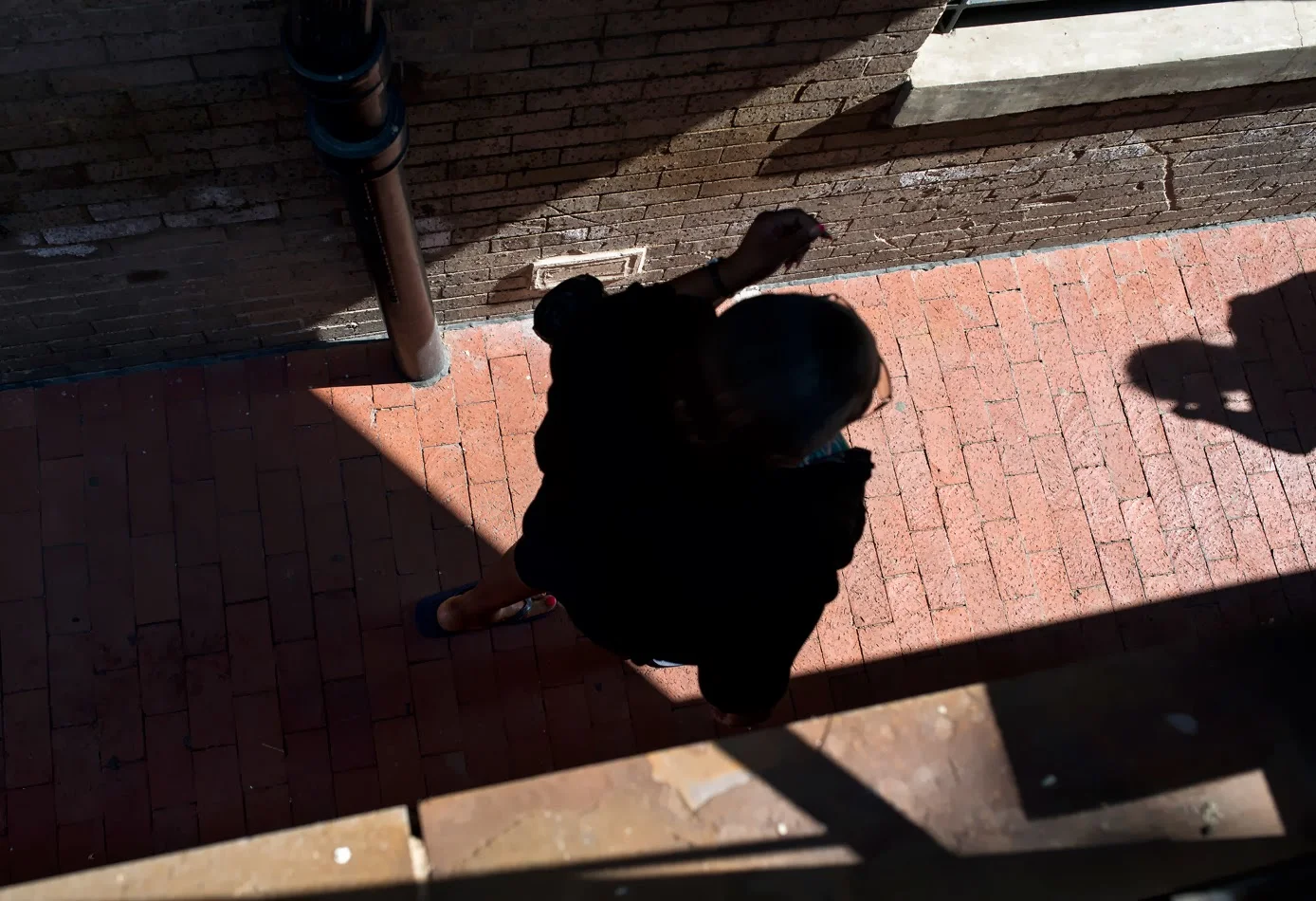
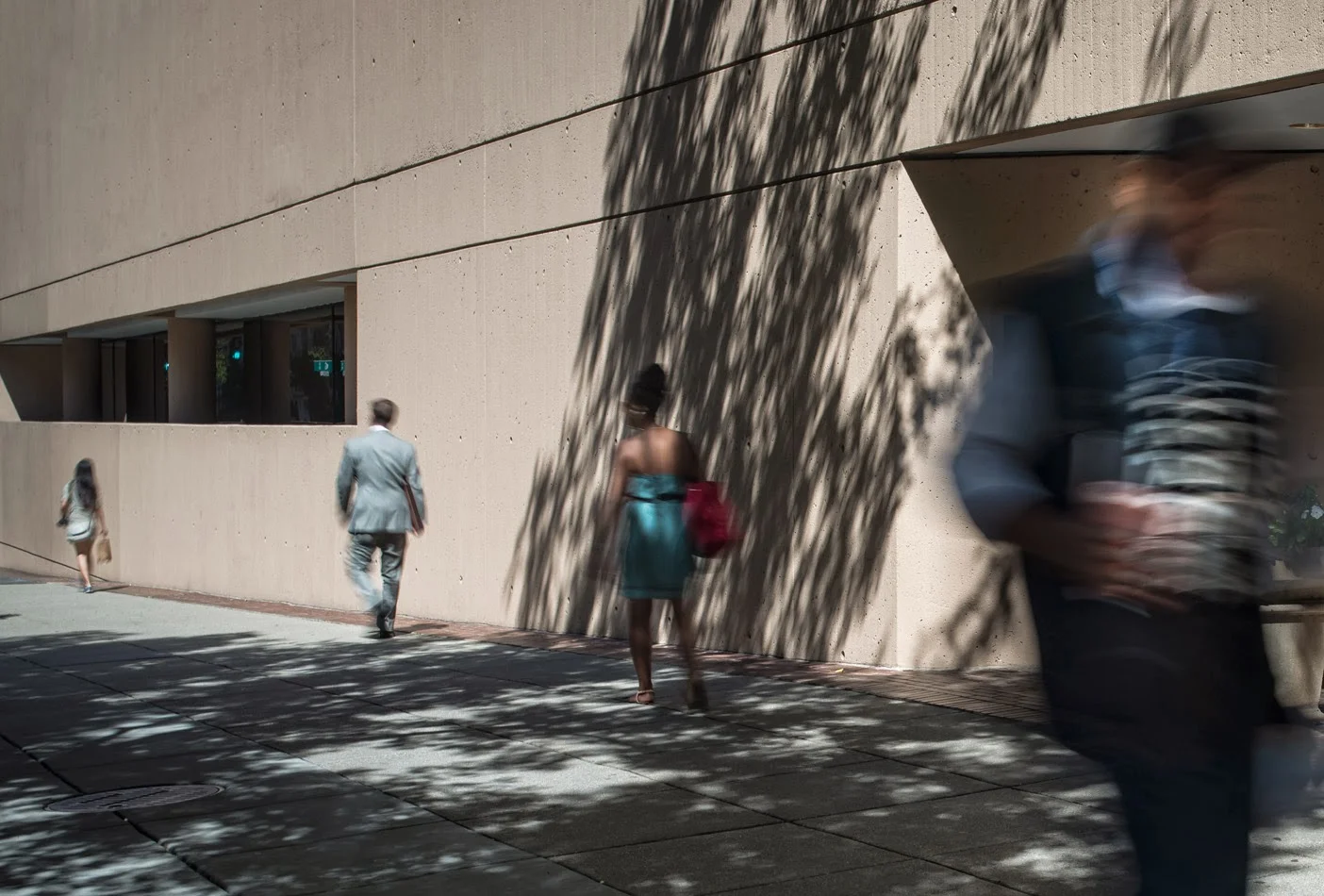
Fred Zafran’s new show, 7th and H Streets, NW, at Multiple Exposures Gallery, is an exploration of the historic Old Downtown neighborhood in Washington, DC.  More than a simple depiction of the character of the neighborhood, the images form a psychological landscape that communicates the spirit and presence of place.  Fred offers insights into the joys of street photography and how they led him to this exceptional new portfolio.

(c) Fred Zafran

(c) Fred Zafran

(c) Fred Zafran

(c) Fred Zafran

 Congratulations on the opening of your new exhibition.  Would you tell us a little about your photography and way of working? I am principally an urban photographer and most of my work takes place “on the street.”  My way of working is to set out with very little equipment… usually just a single camera and lens.  I wander the streets observing, listening, trying simply to be present.  I find joy in exploring without plan or preconception, remaining open to the unanticipated “stories” that the day may offer.

I’m also looking for things — settings, circumstances, people — that typically wouldn’t be found together, but when connected (framed), create a new and stronger narrative.  Joel Meyerowitz, a well-known street photographer, has described it as “photographing the relationship between things.”

Do you choose specific locations to shoot or do you wander until you see something intriguing? Both really. I remain open to the possible, but at the same time, I’m drawn to settings with extraordinary light. I am always looking for illumination that “textures the darkness” because it is here that light itself imparts its strongest meaning. If I find a spot with extraordinary light, I will explore this location until I find the right vantage.  Then I might stop and wait (…and wait some more) until an idea or opportunity presents itself.  I could be at a single location observing and waiting for quite some time before I begin to press the shutter. 

Would you share more about your new project and portfolio of work? For a year, I returned repeatedly to the neighborhood surrounding 7th and H Streets, NW, in
Washington, DC.  This is the historic "Old Downtown" DC and the corner of 7th and H Streets may be considered its "epicenter."  The neighborhood is defined by the intersection of three distinct subcultures – a popular DC entertainment quarter, a Chinatown fading in decline, and a shadow world of those struggling and living too close to the street.

There was something about this neighborhood that kept bringing me back, to wander the streets, to explore, with the intent to document what I saw.

The images in your portfolio feature people from a number of different vantage points – at street level, from outside on the street looking in, from close and from farther away. Does vantage affect “comfort level” and does this change based upon proximity? In some cases, I’m very close to the people within the frame I’m capturing. Often I will have to react quickly to capture the image envisioned.  If I have the time and opportunity, I like to engage, say hello, share a bit about what I am doing… and ask if it would be OK to make a photo.

When I shoot from the outside in, I sometimes go to the window, raise my camera and with a gesture, silently ask permission.  Often the person will nod and smile and indicate they are OK with the situation. When you get close to people in street photography, you just have to work through any potential discomfort that arises. Connecting with people is part of the magic of street photography.

What do you want people to take away from your images? If my images are successful, the viewer will want to come back to look again. Alex Webb, a Magnum photographer and another well-known street photographer, describes less successful photos as “one-note” images – mildly interesting, but you look once and don’t care to come back again. Successful images ask questions, communicate emotionally on multiple levels, and don’t readily yield up their answers.

What advice do you have for individuals interested in exploring street photography or improving their street photography? It is helpful to look at the images of master photographers whose work was largely accomplished on the street. Examples include
Andre Kertez, Henri Cartier-Bresson. Ray Metzker, Josef Koudelka, Fan Ho, Saul Leiter, Sam Abell, Alex Webb, Joel Meyerowitz, Helen Levitt, Daido Moriyama, and Vivian Maier.

However, the most important advice is really to pick up your camera, head out and make photos… and then go out and do it some more.  When shooting on the street, go without plan or preconception.  Simply wander, be aware, and remain open to the possible.  I would also follow Sam Abell’s sage advice to “look for the setting first.” Let the light lead you to the right circumstances, compose, wait, and often the subject will find you.

The opening reception for Fred Zafran’s new show, 7th and H Streets, NW, will be held Sunday, March 2, 2014, from 2pm-4pm, at Multiple Exposures Gallery at the Torpedo Factory Art Center in Alexandria, Virginia.

(c) Fred Zafran

(c) Fred Zafran

The Vicissitudes of a Project

(c) E.E. McCollum

(c) E.E. McCollum

MEG member E.E. McCollumdescribes the evolution of a photographic series. 

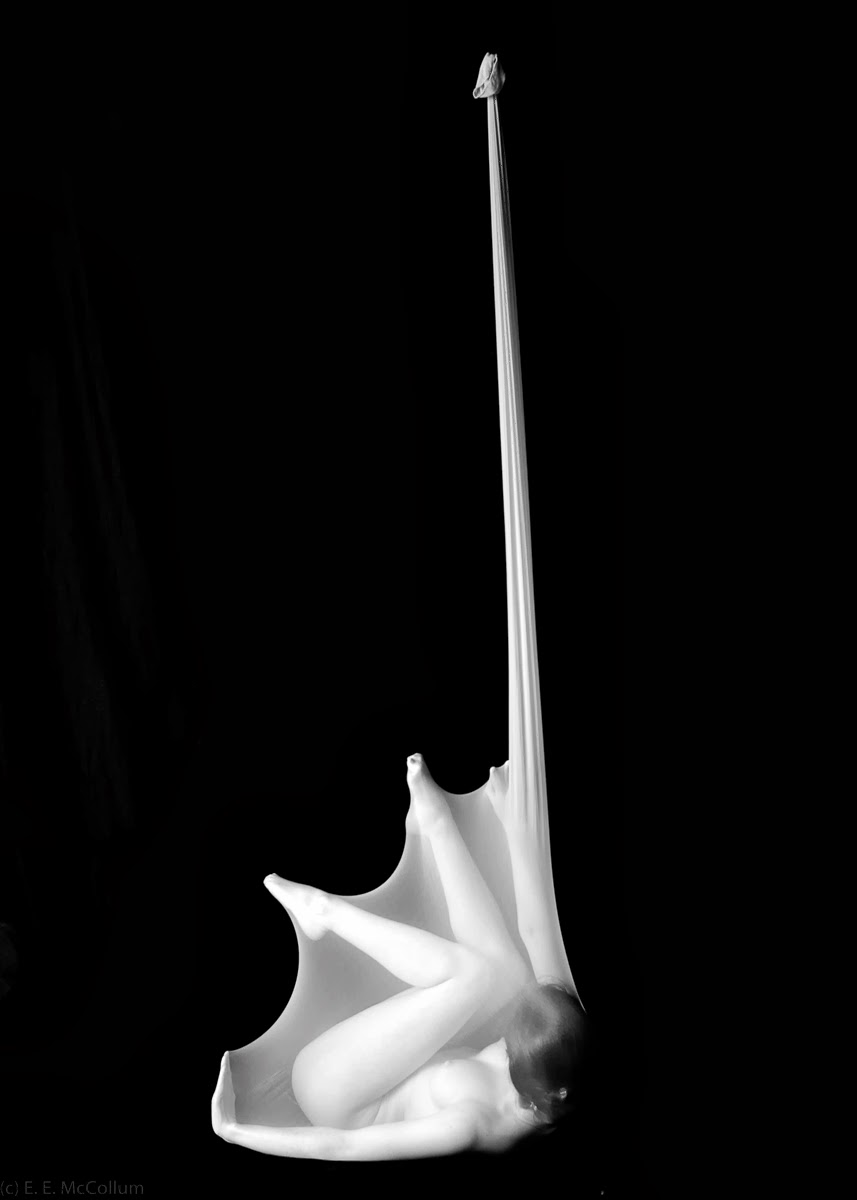
For the past 3 years, I've been working on a project I call theCocoon Series.  The project started quite by accident when a model I was working with - Katlyn - showed me a tube of stretchy nylon material, six feet or so in length and sewn closed on one end.

"I think you'll like this," she said, and wriggled into it. 

Suddenly, the figure I saw in front of me was transformed.  The fabric stretched around Katlyn in such a way that the space of the body was made manifest and Katlyn's creative poses took on a sculptural quality.  I was hooked.  Ways to make images of the body in the cocoon kept coming to me long after that first session.


(c) E.E. McCollum

(c) E.E. McCollum

    As I explored photographing the whole figure, I began to wonder what it would be like to have two models in one cocoon.  Two adventurous models agreed to try.  The two figures together suggested relationship and contact as the figures wove together.  I also began to explore moving closer to the models and not including the entire figure.  My creative model/partners began to play with the concept of the two together producing images that are by turns beautiful, and odd and unsettling.  We struggle to orient ourselves as we look at them.


We also used fish line to pull the nylon up toward the ceiling, manipulating the space that the cocoon defines.  It seemed to work best when it followed the contours of the body.  Again, the models responded with such creativity to this new approach and, together with one, we created what has become the iconic image of the series.

 (c) E.E. McCollum

 (c) E.E. McCollum

With another model, I shot with a harsher light directed from a different angle.  The result was a more graphic sense of the body and some mystery as the body disappeared into the shadows. The project went on and on.  We stained the fabric with facial mud and body paint to accentuate texture. We tore it provide a sense of emergence.  I shot a male model and a male/female couple.  Each time I think it might be done, a new idea comes to me.  


 (c) E.E. McCollum

 (c) E.E. McCollum

This is the first sustained artistic project I've done and I've been reflecting on what I've learned from it.  First, I think a sustainable project needs to be based on something morethan just an idea.  I took a class once and a fellow photographer showed her project for critique. She had decided to do a sustained piece of work and cast around for an idea or theme, she said. What she showed, at least in my view, was somewhat lackluster, although the idea itself was intriguing.  I think it's because one can't set out to do a project. The project has to capture you. The cocoon came along unexpectedly and captured me emotionally right from the start and that seemed to enliven the work.  There must be something emotional in the mix if you are to live with a body of work as long as a project demands.

Secondly, I learned that things change.  The cocoon series started as individual images.  Early on, each image with interesting solely in its own right. The more it continued, however, the more I saw the images relating to one another with prior images providing context for the later ones.  It took time for it to became a project, in other words.  It developed organically.  I also have to remember that the earlier images are very familiar to me and have lost a little of their freshness because I have seen and worked with them so much.  But that isn't true of most viewers.  As I make a selection of the project for a publication or show, I try to include images from throughout the series.  The recent ones are of more interest to me because they represent my growing edge.  But you have to have faith in the strength of the work throughout.

Finally, I think you have to have the dedication to follow the project to its end while recognizing that it's hard to know when to stop.  So far, every time I think I've gotten to the end of the Cocoon Series, something new has occurred to me.  I don't know how long it will continue, or if the work will grow stale after a while.  Nevertheless, I remain committed to following it to wherever it needs to go.

============
Images from The Cocoon Series will be on display at the Art League Gallery in the Torpedo Factory from March 13th through April 7th, 2014. Selections from the series can also be seen daily at Multiple Exposures Gallery in Studio 312 at the Torpedo Factory. 

E. E. McCollum can be reached at info@eemccollum.com

Refresh

MEG member Danny Conant shares some suggestions for getting out of a photographic rut. 

Most of us have had the feeling at times of being stuck or stale in our photographic life. It’s no fun working on something that doesn’t inspire you or hammering away at a piece that you secretly know you are never going to like.  So we need to refresh and get out of that unproductive rut.

Over the years I have found some things that have given me a jump-start to pulling out of the rut. If you are feeling uninspired, make time to visit a gallery or museum or studio of an artist.  I say make time, not take time, because you will say, “I don’t have time.”  I don’t have it either, so I have to make it by perhaps giving up something else.  


Sometimes it’s better to see a painting exhibit than one of photography.  You may come away with some new thoughts after seeing what is driving that particular painter or sculptor or printmaker.

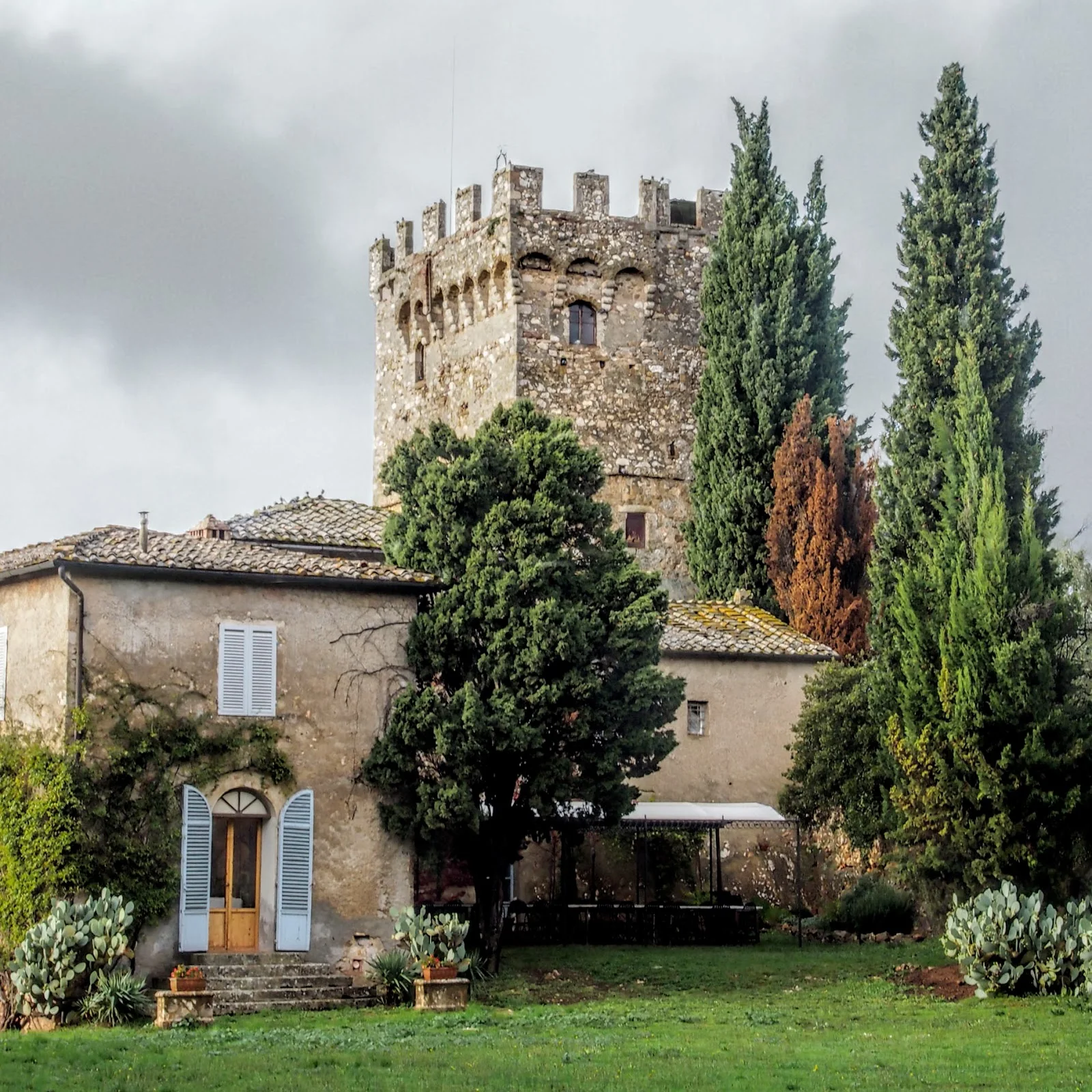
Other suggestions are to do something different even if it is a little uncomfortable and/or take a class to learn something new or challenging. Recently, I took a writing workshop in Tuscany, even though I know nothing about real writing. The first day I struggled along as I wrote the assignment. While that alone wasn’t comfortable, an even more terrifying part came when I had to read what I had written to all of the other accomplished writers. The good news? The earth didn’t open up and swallow me and everyone was too polite to ask why was I in that class. 
 

(c) Danny Conant

(c) Danny Conant

(c) Danny Conant

(c) Danny Conant

At the end of the day, I was fine with the whole process. After five days of work, I came away with a new feeling for words. And while I still love my visuals, one day I’m going to put them both together. 

Another favorite inspirational help is belonging to a couple of small low-key groups of like-minded photographers who get together a few times a year to share ideas and work.

Finally, when an image is just not responding to me after a reasonable amount of time, I simply let it go.  There will be other images.  


Overall, I think my main tool for getting out of a rut is my lack of fear of failure.  If I am afraid of failing, I won’t try anything new or push my boundaries at all.

Danny's work can be seen daily at Multiple Exposures Gallery in the Torpedo Factory Art Center in Alexandria, VA.